Grand Sablon 40
111000.04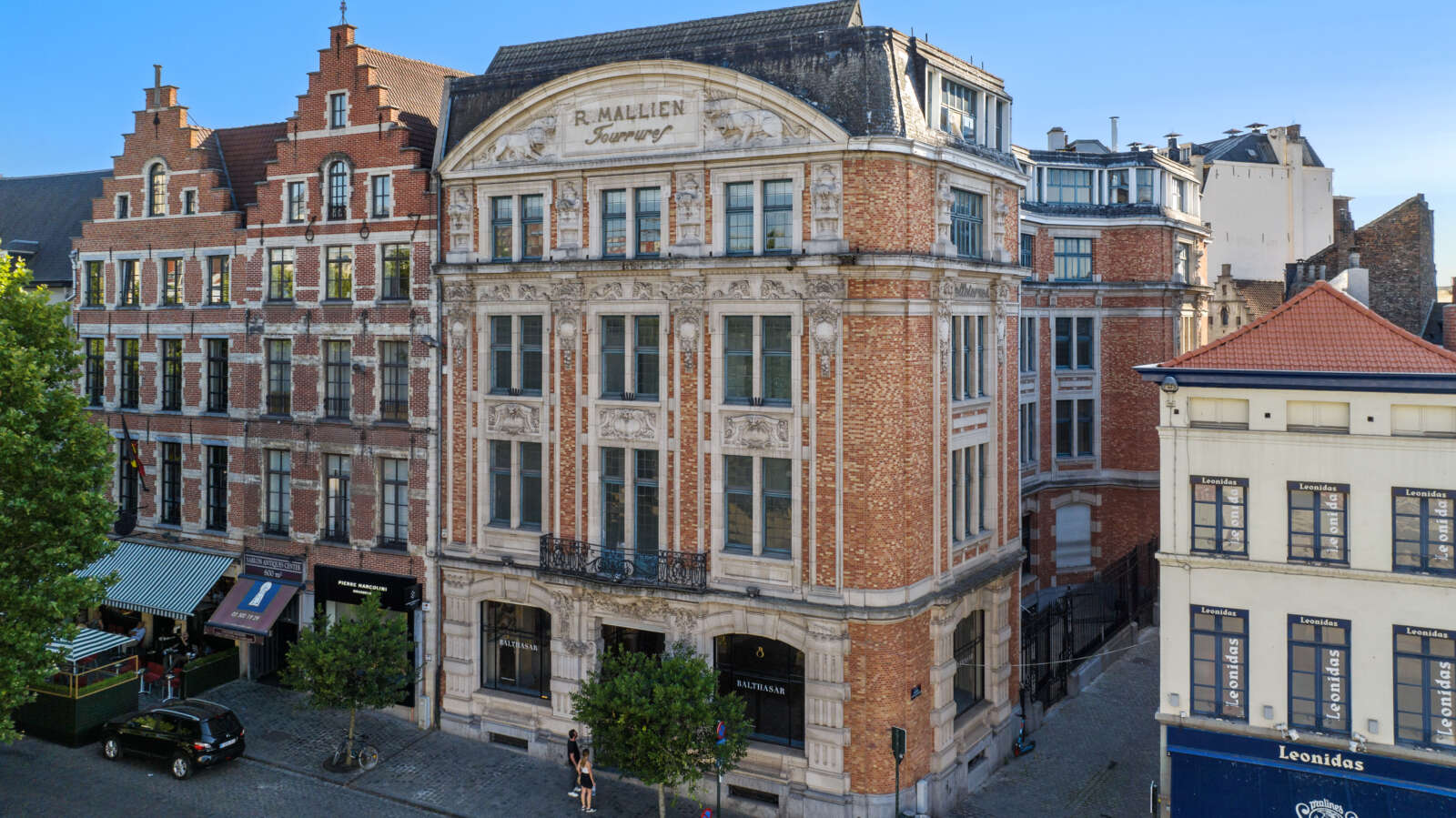
An iconic landmark with a rich history
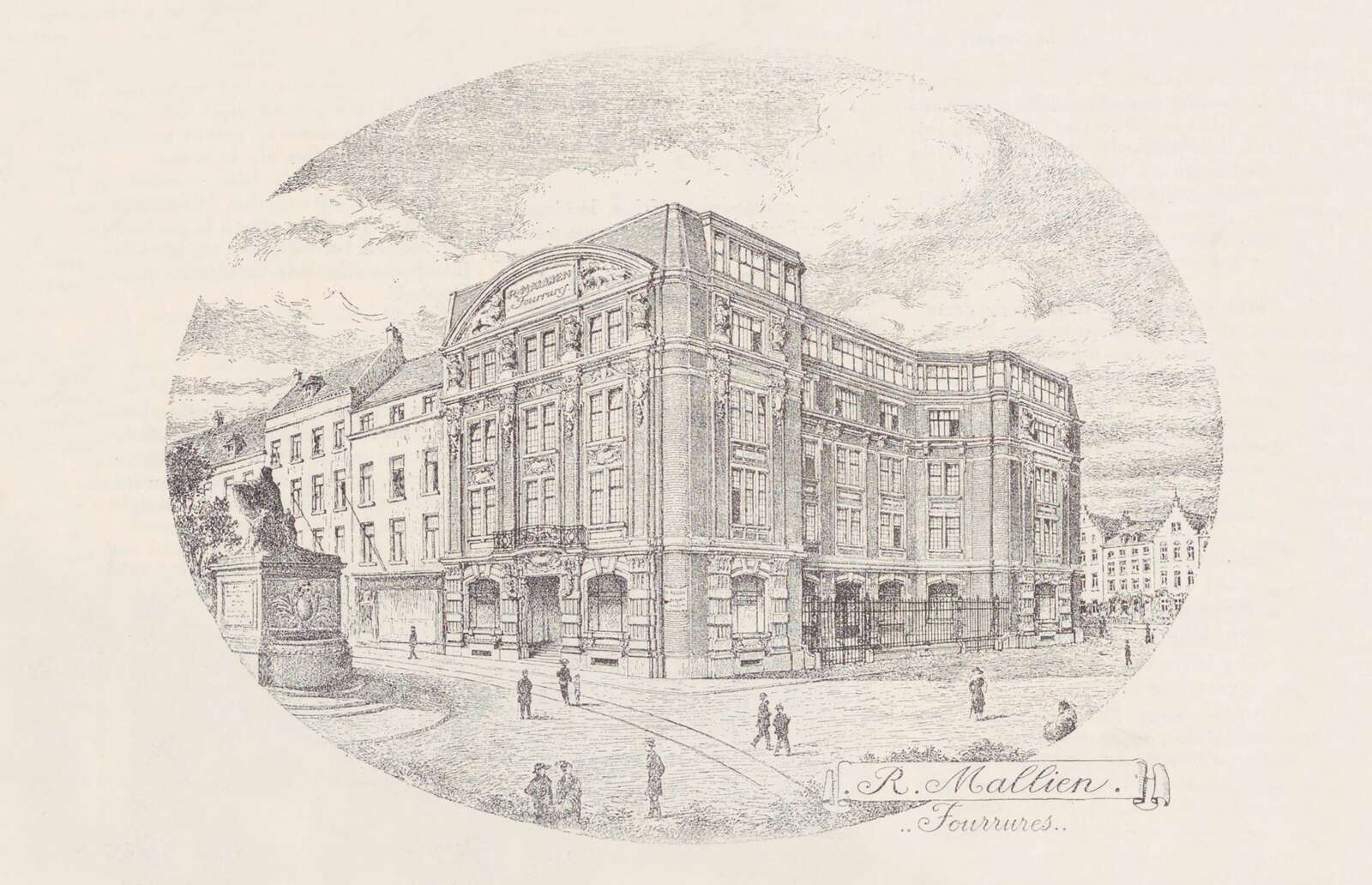
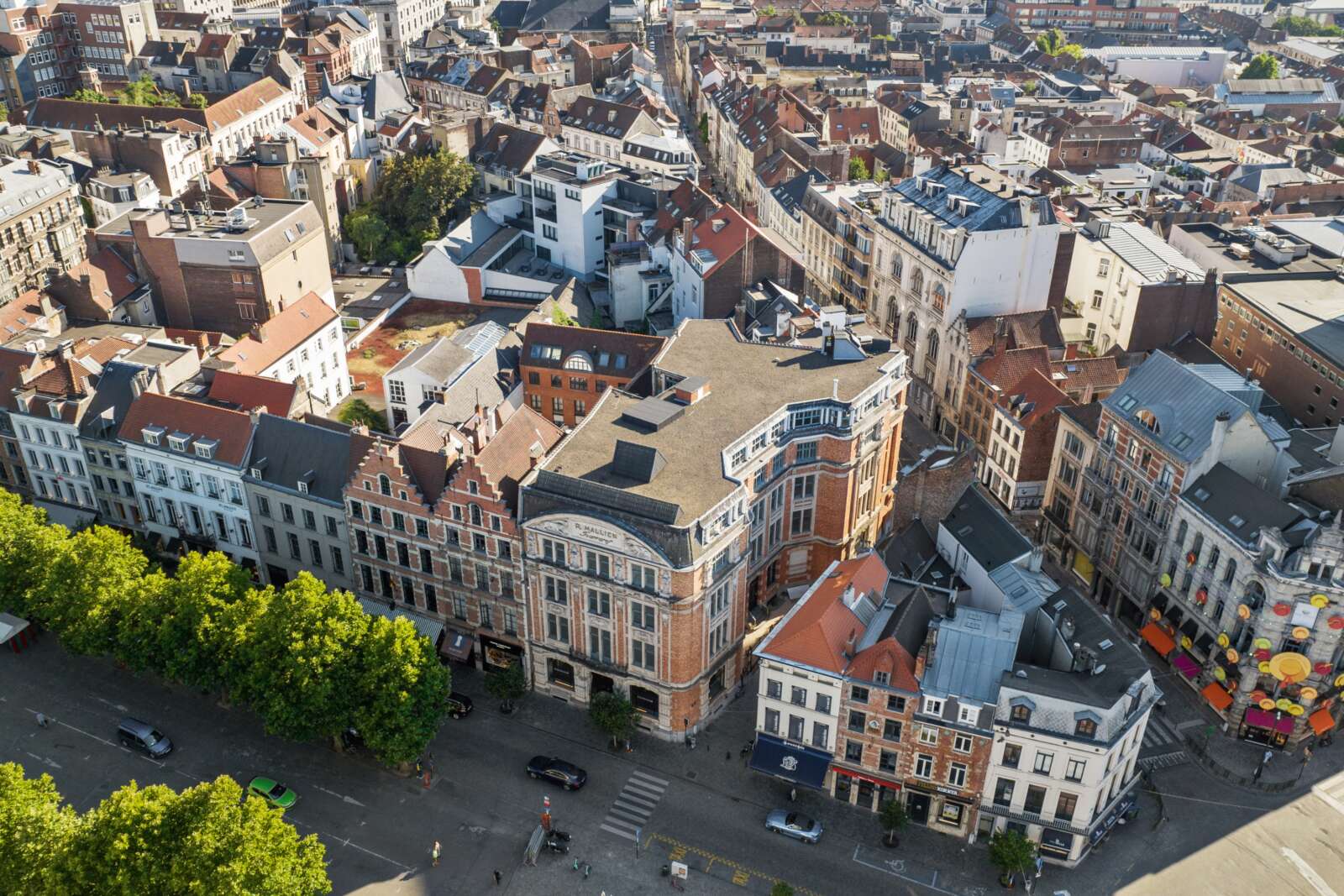
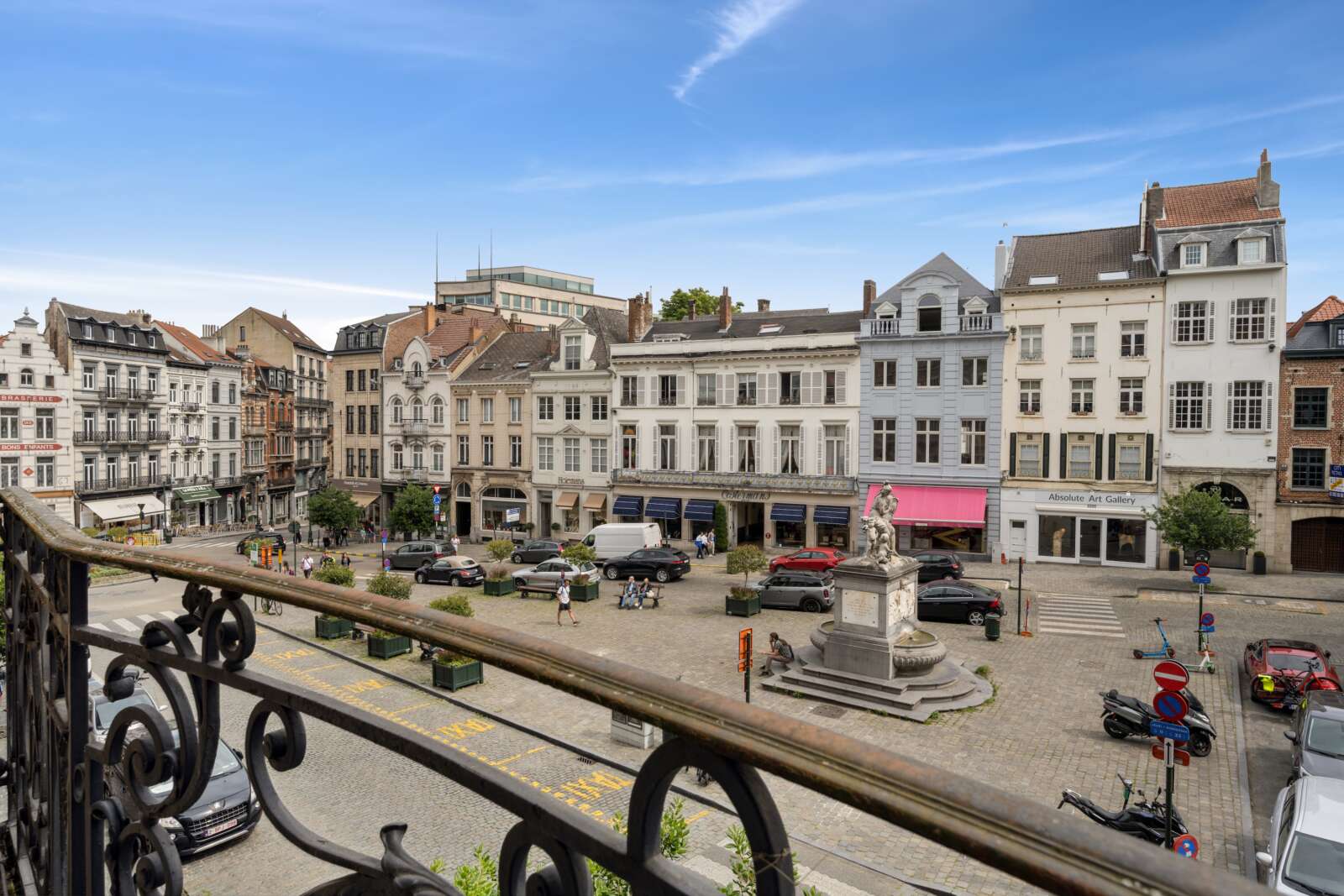
The prestigious building, located in the heart of the Grand Sablon in Brussels, at the corner of Petite Rue des Minimes, was built in 1920 for the former Manufacture de Fourrures Raymond Mallien. Mallien, at the time the undisputed king of the Belgian fur industry and known as far as Paris, wanted to house his salesroom and workshops in a majestic building on the Grand Sablon – already, in the roaring twenties, a popular meeting place for Brussels’ wealthy elite.
A beautiful Beaux-Arts-style design
In 1920, the original plans were drawn up by architect Victor Diricks and revised in 1921 by the renowned architect from Lille, Jacques Barbotin. The plans reflected an impressive Beaux-Arts architectural style, influenced by the neo-Louis XIV style. The Grand Sablon, then a lively hub for the Brussels bourgeoisie, was the ideal location for a prestigious fur factory. Today, the building remains a striking example of what luxury retail spaces looked like shortly after World War I, in the vibrant atmosphere of the roaring twenties.

A fascinating contrast in decoration
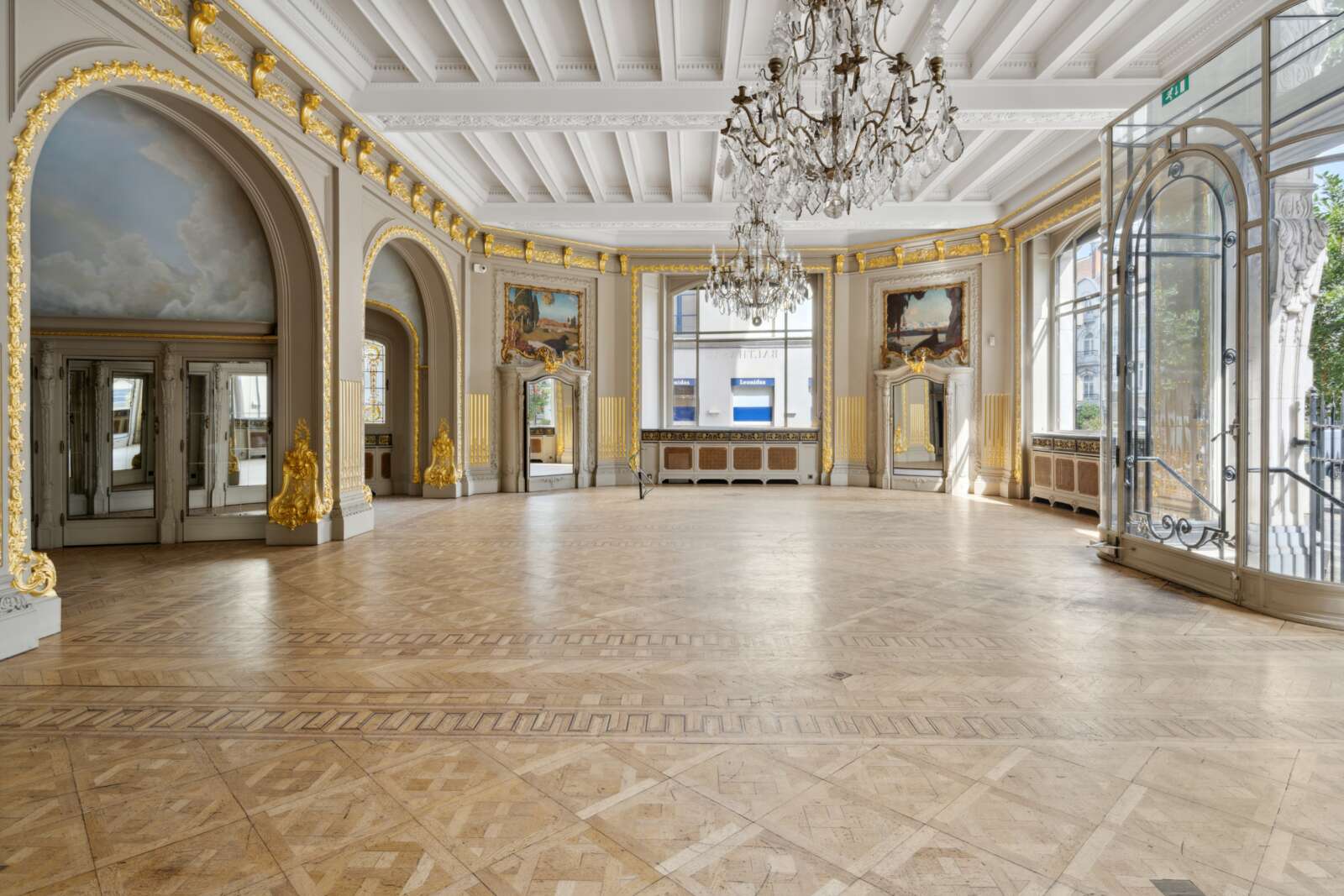
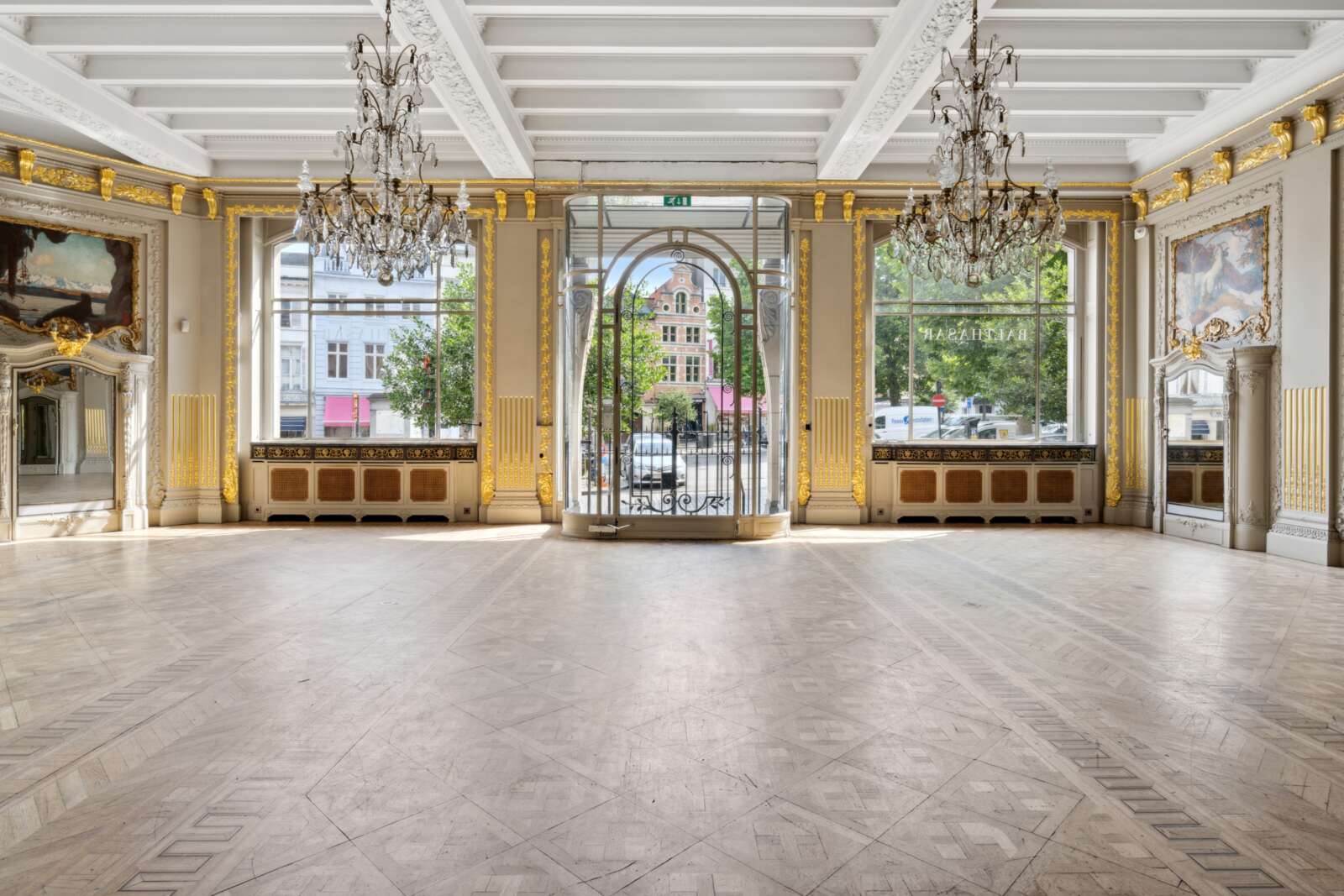
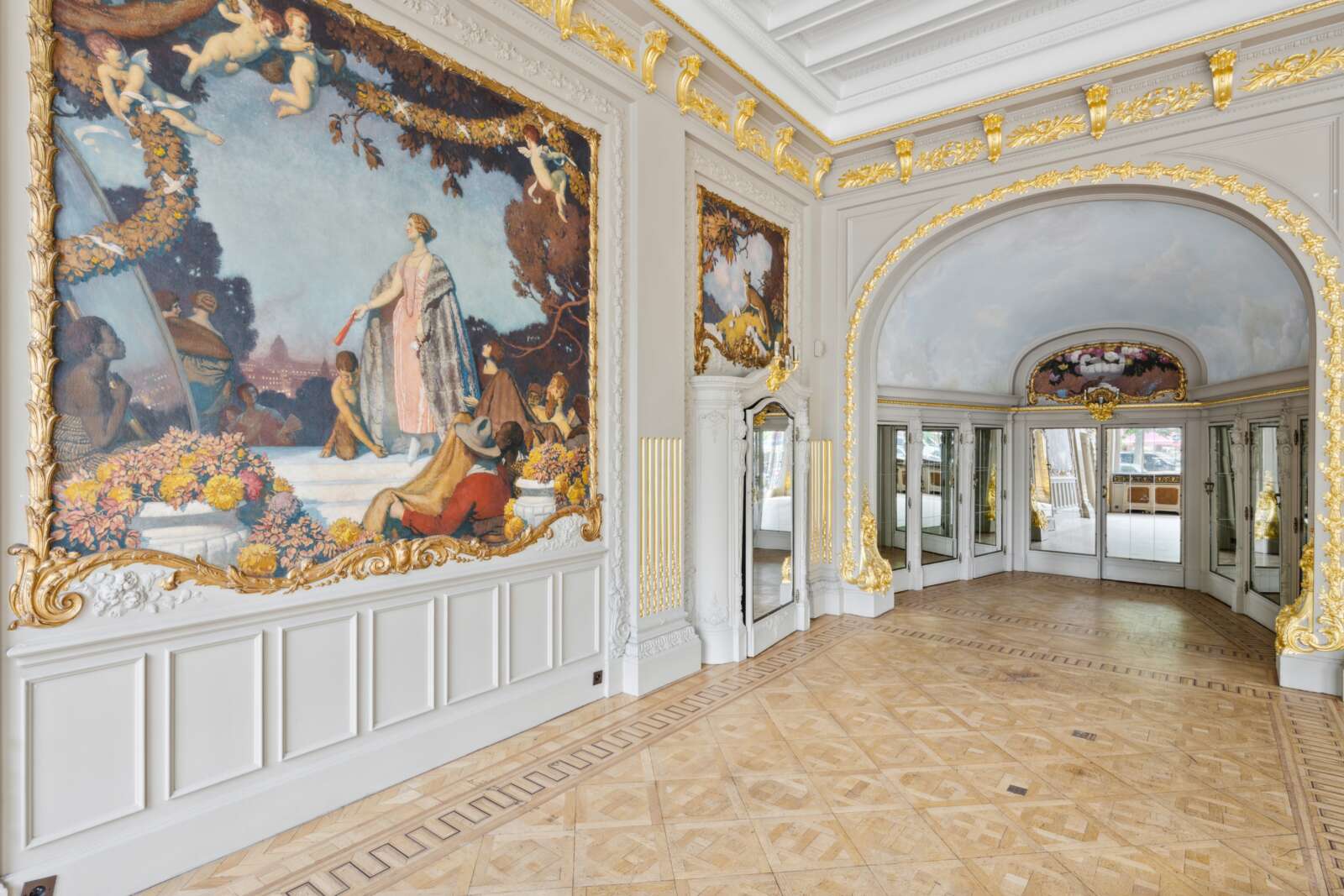
On the ground floor, wealthy bourgeois clients were received in a luxurious salesroom, richly decorated with mirrored cabinets, stained-glass windows, chandeliers, figurative paintings, and romantic murals depicting fur-bearing animals, creating a sumptuous and refined atmosphere.
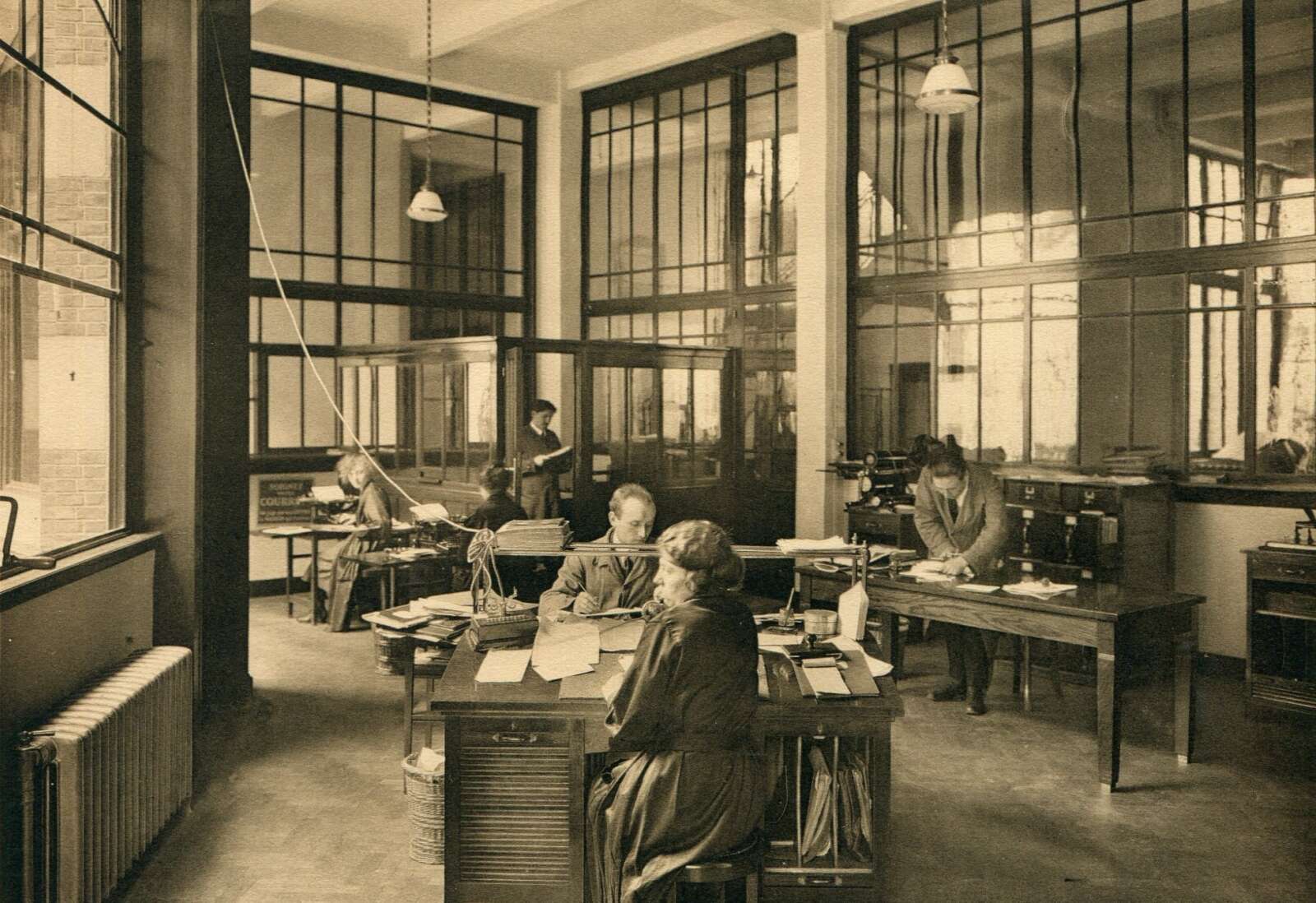
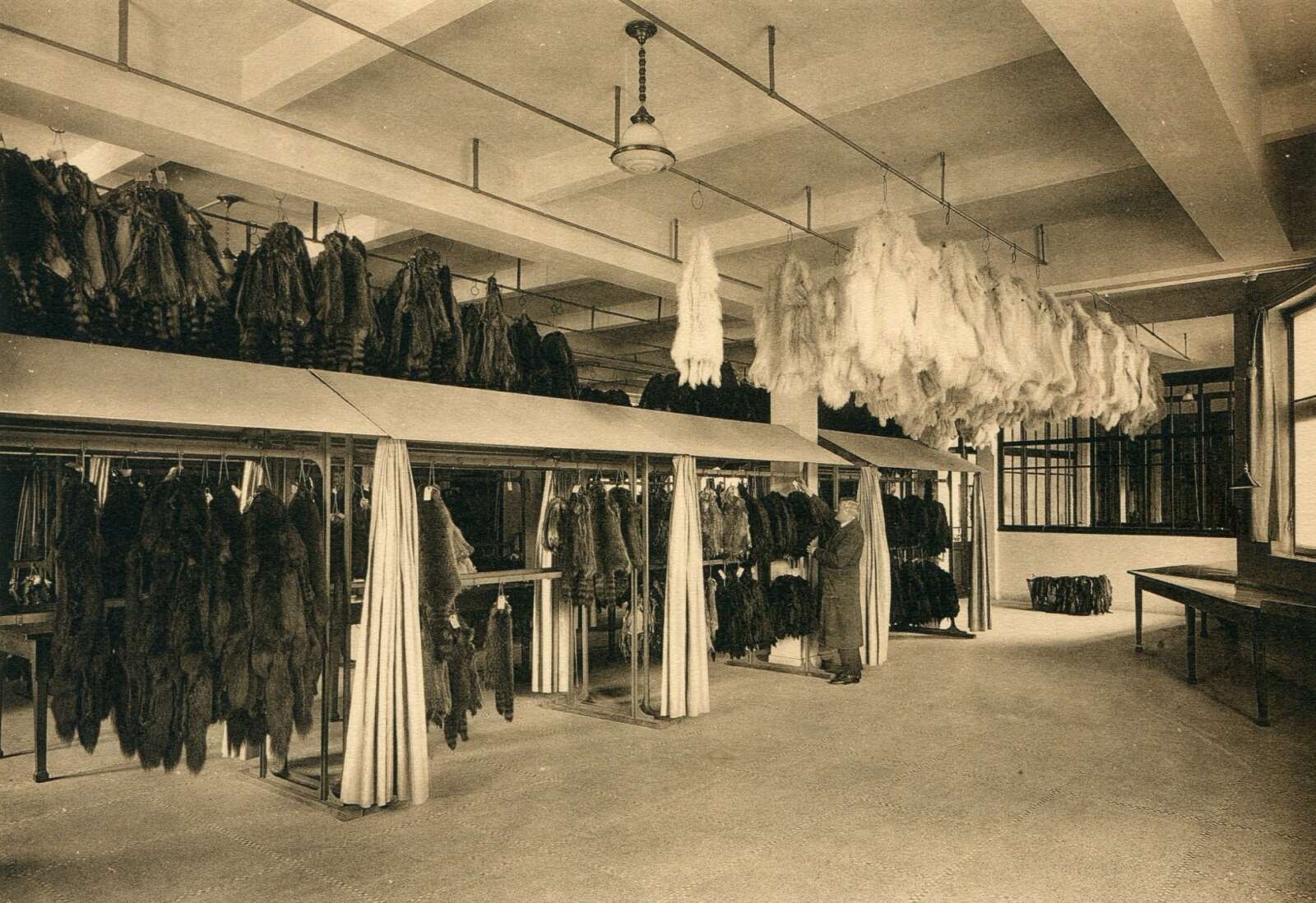
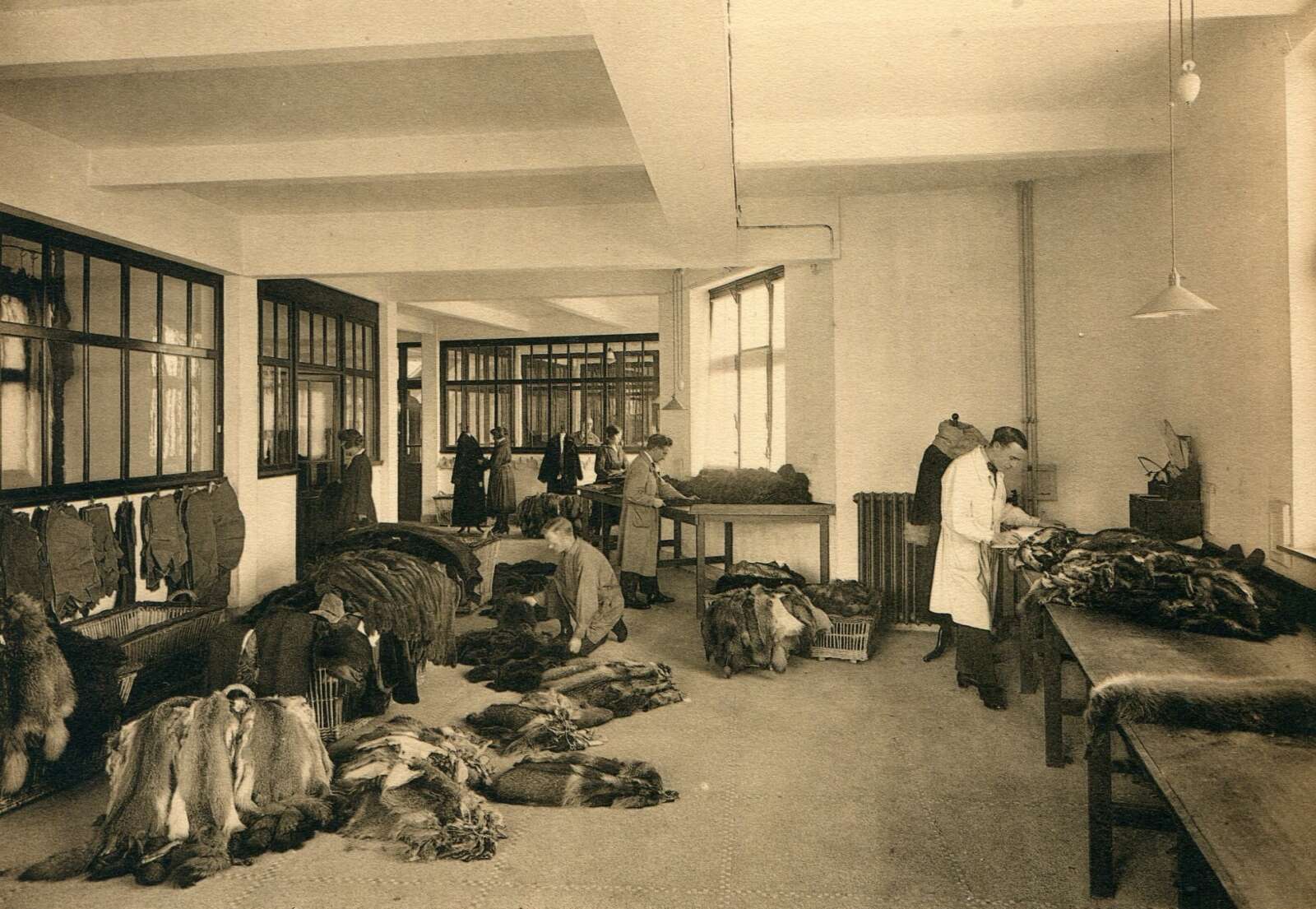
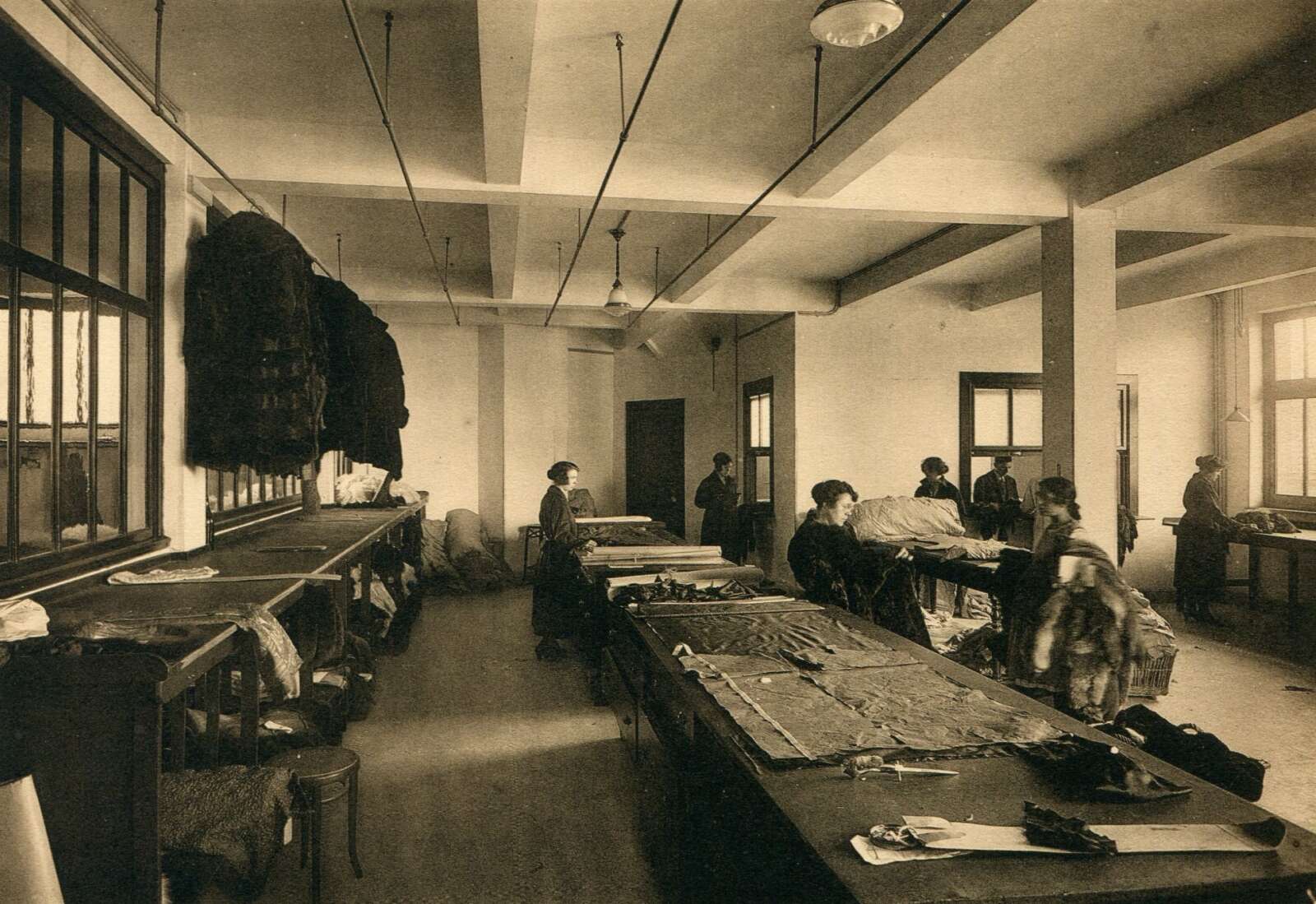
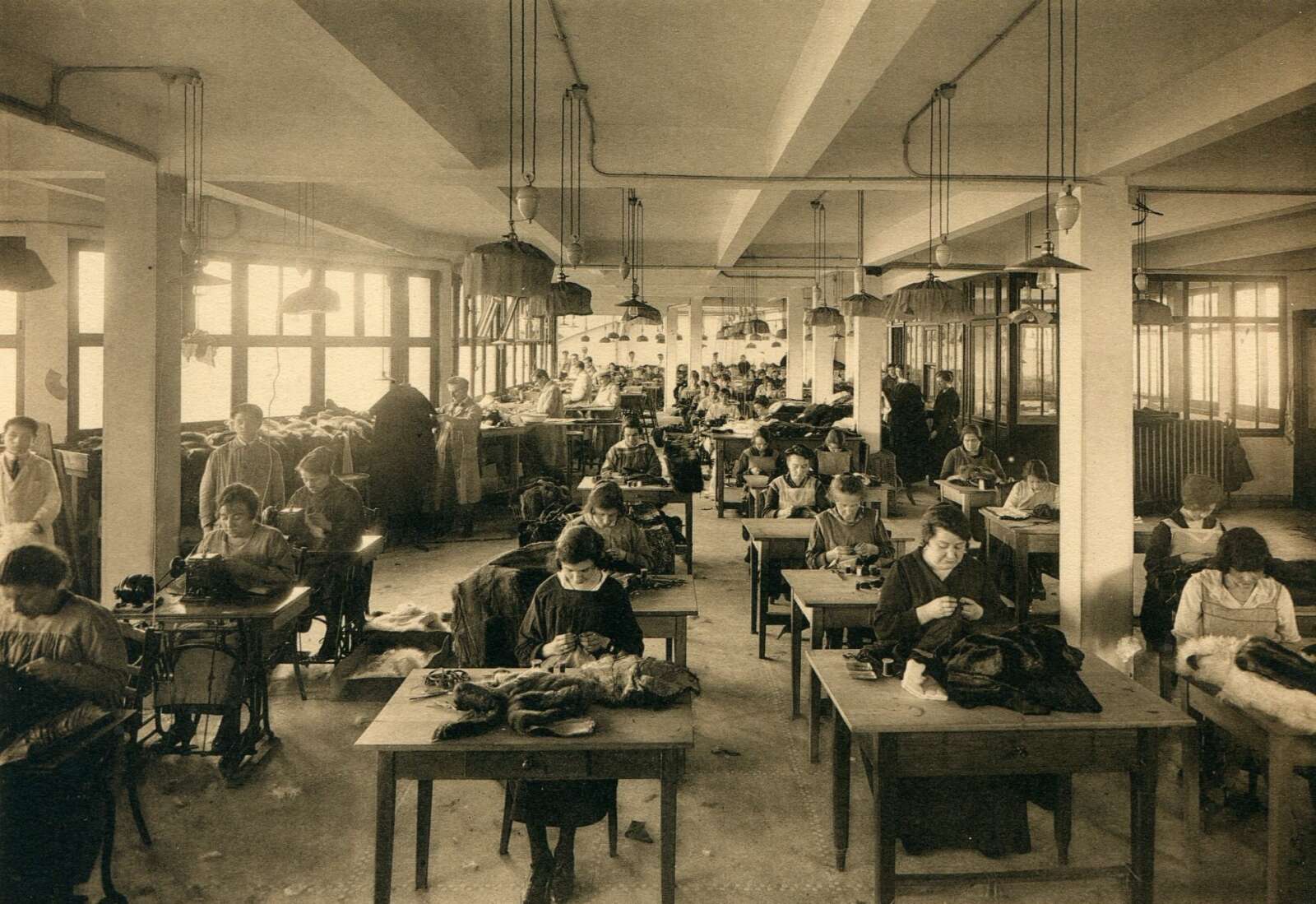
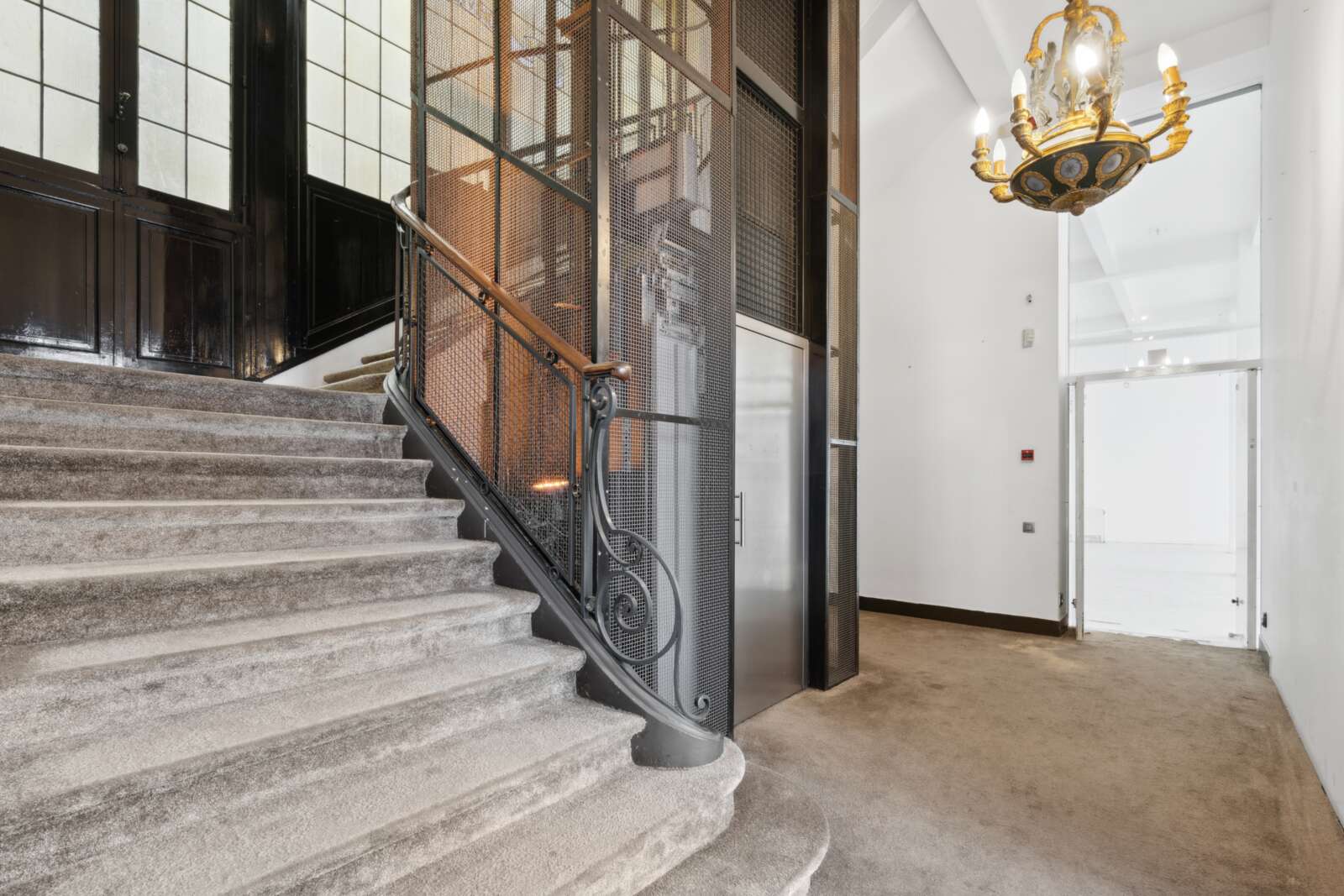
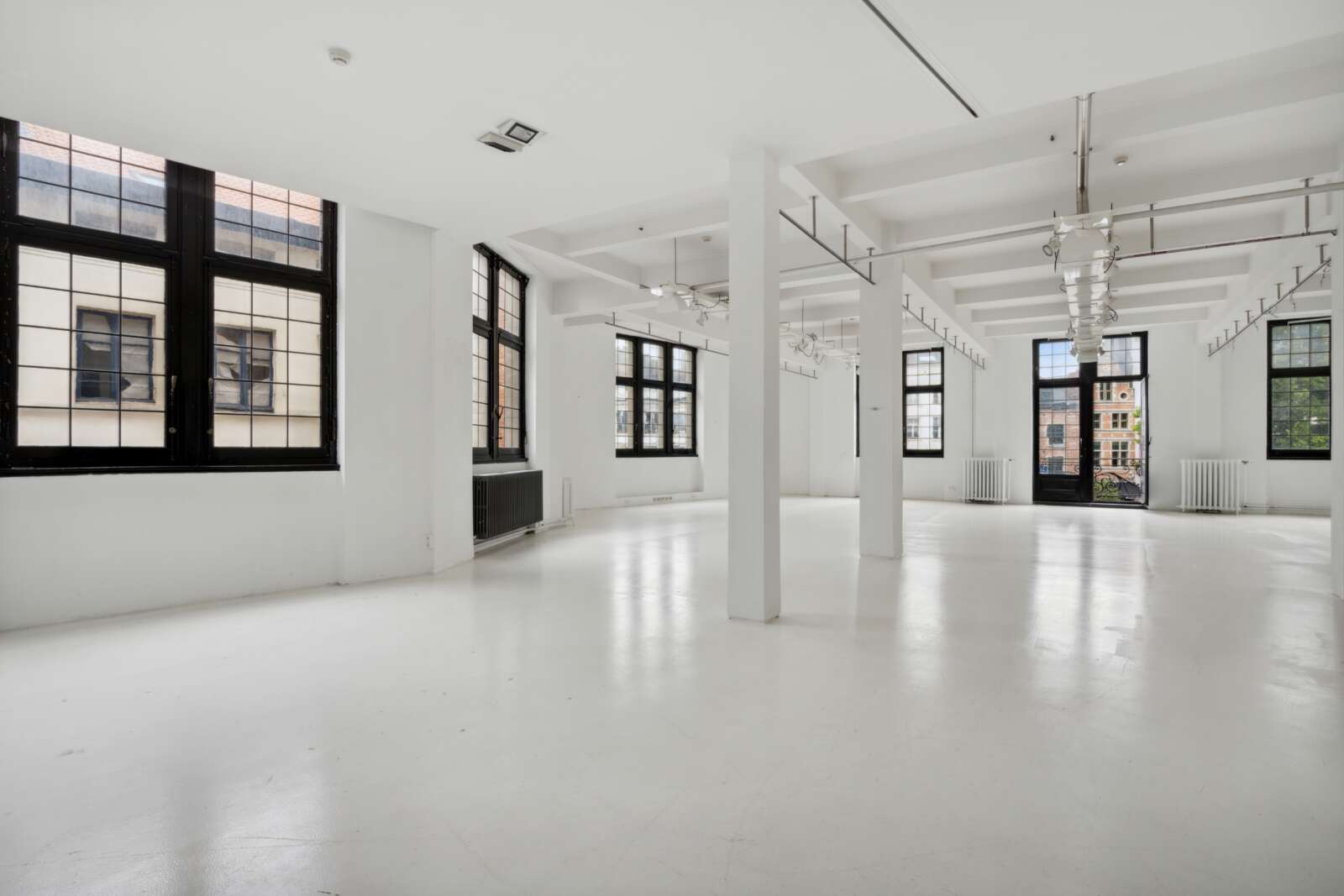
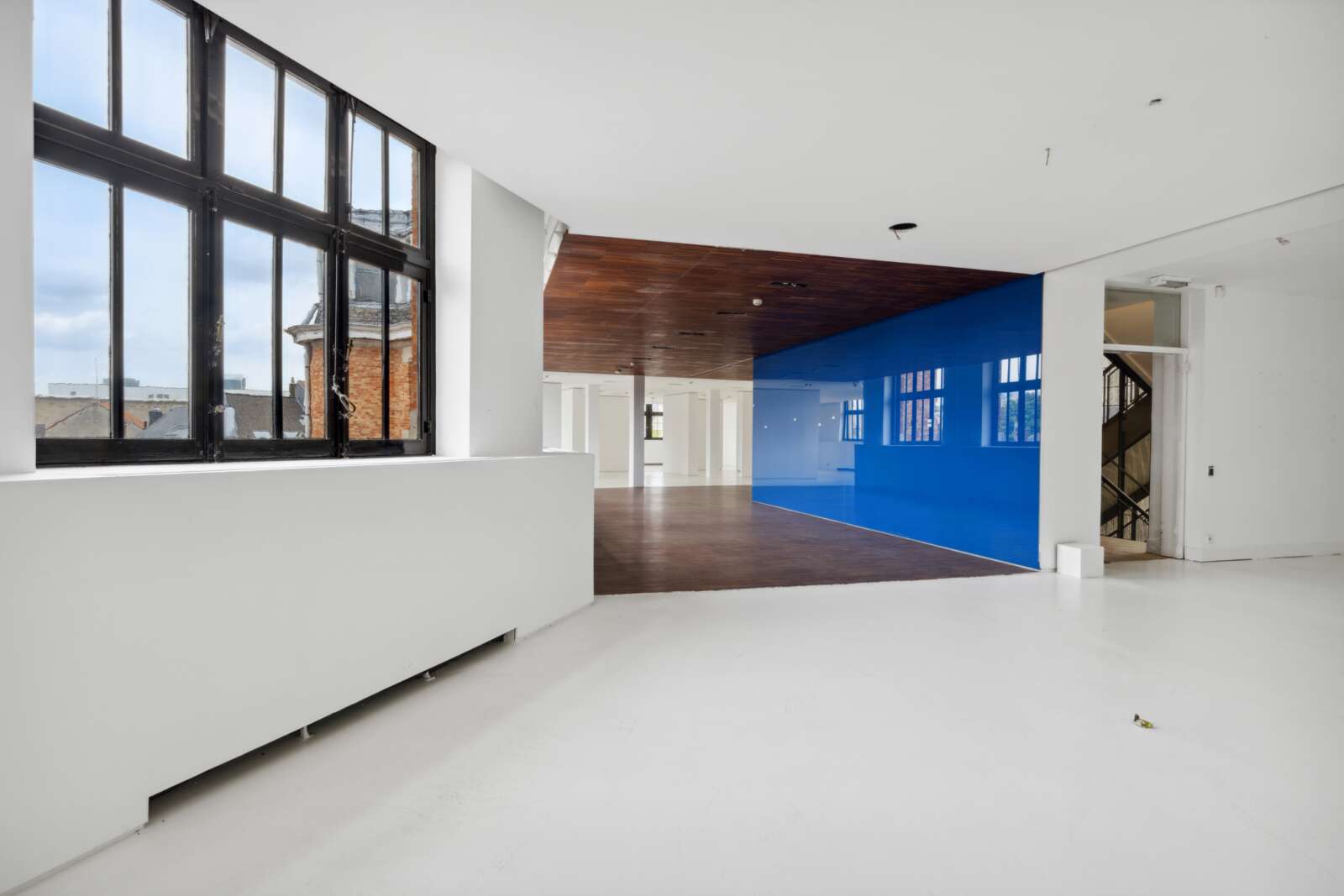
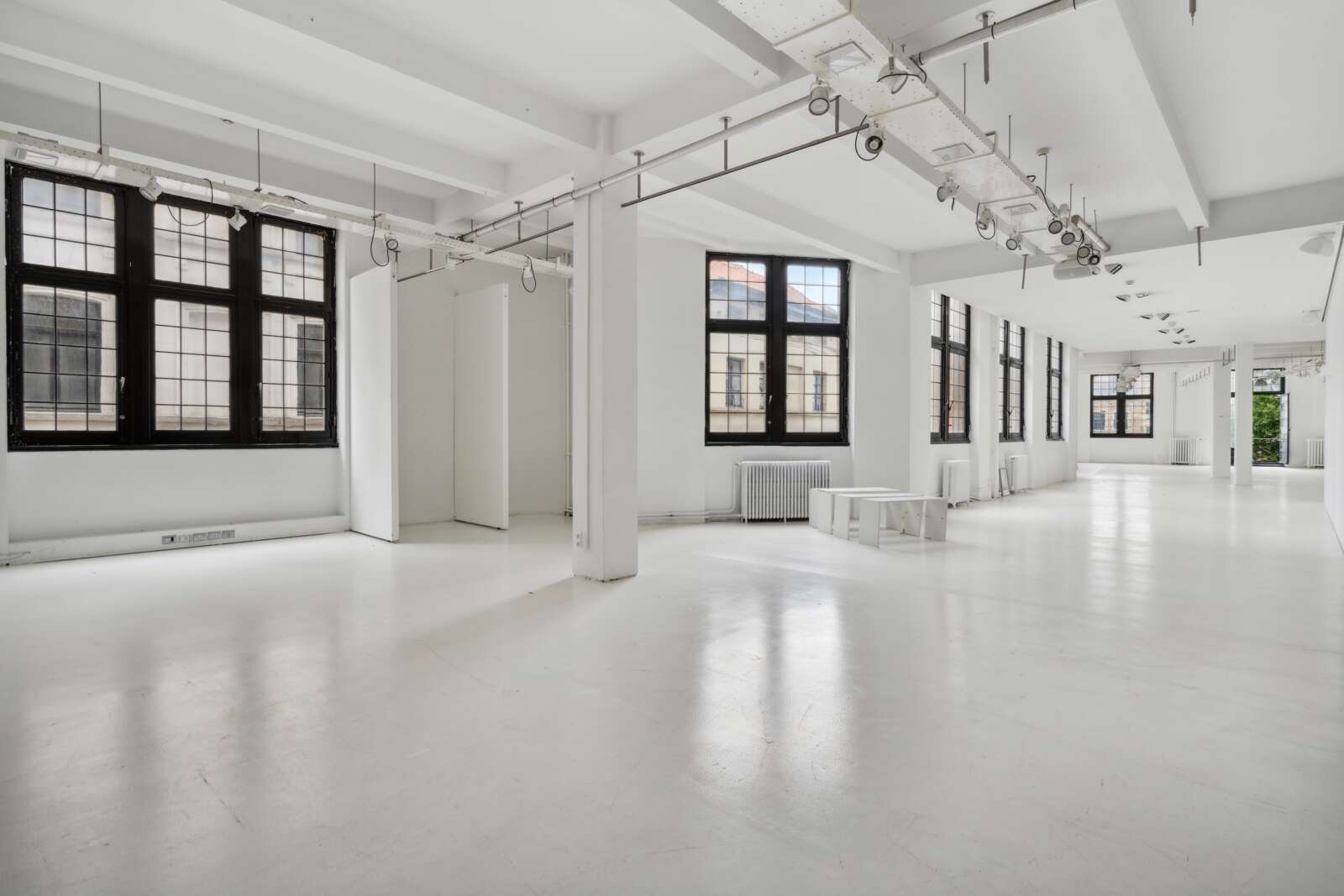
The fur workshops, characterized by their minimalist and sober design, were located on the upper floors.



From fur factory to listed monument
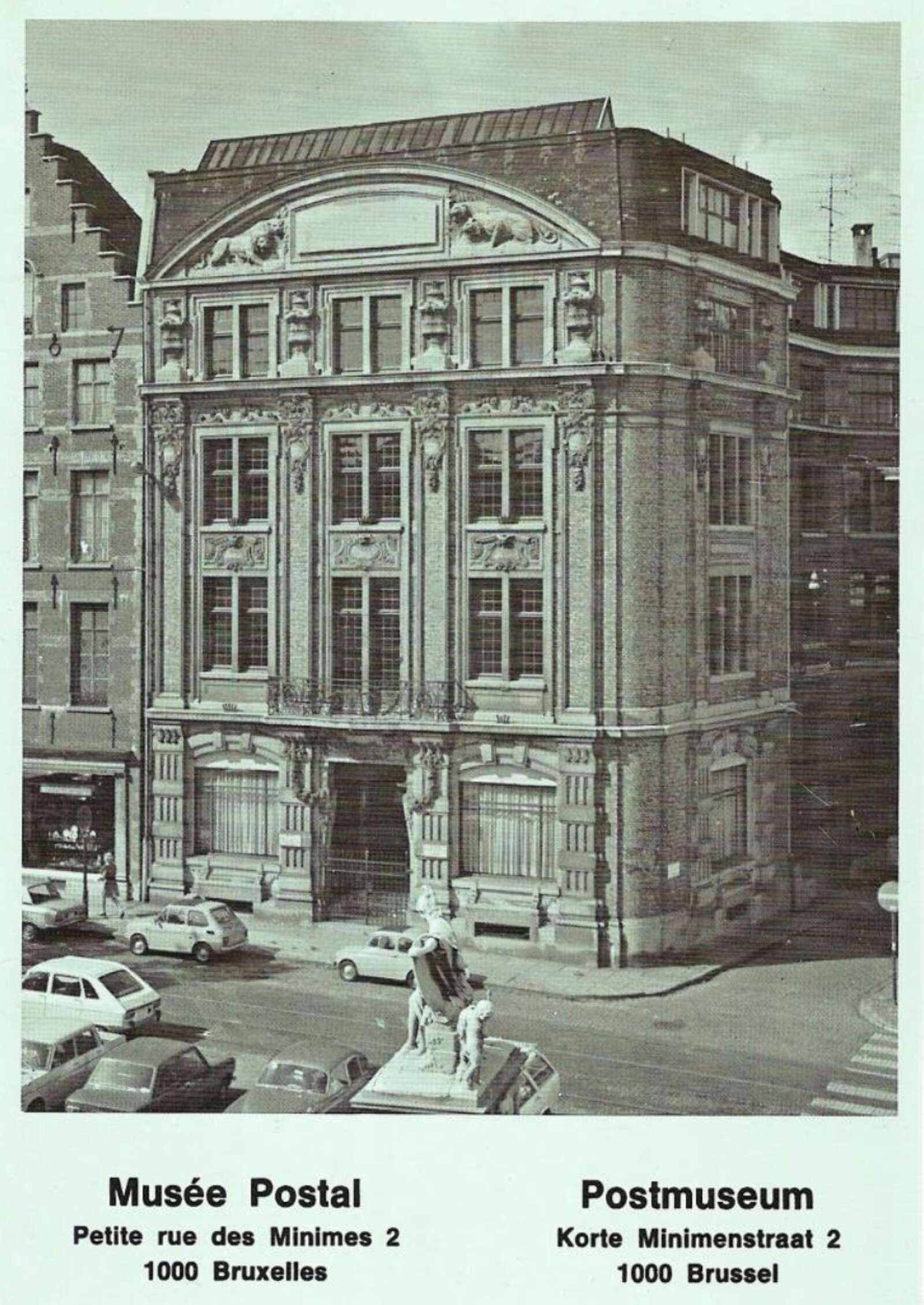
From 1971, the Museum of Post and Telecommunications occupied the imposing building. In 2003, it was transformed into a prestigious salesroom for the famous auction house Pierre Bergé, associated with the late partner of fashion designer Yves Saint Laurent. In 2006, the building received official recognition as a protected historic monument, confirming its status as a timeless symbol of Brussels heritage.
A New, Sustainable Future
VDD Project Development is transforming the impressive corner building of approximately 4,200 m² into a unique destination. The monument will be meticulously restored, with all historical architectural elements fully preserved and revitalized.
The goal is to make the building an unmissable landmark in Brussels. With a focus on sustainability, the redevelopment will contribute to a greener future and provide significant added value to the Grand Sablon and its surroundings.
Would you like more information?
Feel free to contact us.